Category: Blog

  • Why Humour Is Becoming the New Luxury in Advertising

    Why Humour Is Becoming the New Luxury in Advertising

    For decades, the formula for “Premium Advertising” was predictable: cinematic visuals, serious voiceovers, and an untouchable sense of distance.

    The logic was that to be respected, a brand had to be stoic.

    But in 2025, the definition of status has shifted.

    We are entering an era where humour in advertising is replacing exclusivity as the ultimate signal of confidence. In a market flooded with polished, AI-generated content, the ability to be human and specifically, to be funny is the new premium asset.

    Why 91% of Consumers Are Waiting for You to Make them Laugh

    This isn’t just a creative feeling; it is a statistical reality.

    According to the Oracle “Happiness Report” (2022), a massive 91% of consumers globally prefer brands to be funny.

    However, there is a glaring gap in the market: the same report notes that 95% of business leaders fear using humour in their interactions.

    The data for India is even more striking. The report highlights that 93% of Indian consumers want brands to make them smile, yet most Indian brands still default to “safe,” corporate messaging.Furthermore, Cannes Lions 2024 officially introduced a dedicated “Humour” category for the first time in years, signalling a global industry pivot.

    The message from the data is clear: Being serious isn’t “safe” anymore, it’s a risk.

    The “Status Shift”: Why Seriousness Is Now a Liability

    Why is this happening now?

    Psychologically, humour is a signal of security. A brand that takes itself too seriously often appears insecure or defensive.

    Conversely, a brand that can crack a joke at its own expense signals high status.
    It says, “We are so good at what we do, we don’t need to hide behind a suit.”

    This is why we see luxury giants like Balenciaga or tech leaders like Spotify leaning into meme culture. They understand that emotional branding strategy is most effective when it bridges the gap between the brand and the user, rather than widening it.

    The Indian Playbook: When “Witty” Beats “Wealthy”

    India is leading this charge with witty ad campaigns that prioritize relatability over reverence.

    5 Star’sDo Nothing“: Instead of selling “energy” or “success” (like every other chocolate brand), they positioned “laziness” as a luxury.
    It worked because it validated a cultural mood.

    CRED: As a fintech player, they deal with serious money. By old logic, they should be boring. Yet, their campaign featuring an angry Rahul Dravid (“Indiranagar ka Gunda”) built more trust than any serious manifesto could.
    It proved that you can handle sensitive data and still have a personality.

    These brand personality examples show that Indian audiences are sophisticated. They don’t need you to be “professional” to trust you; they need you to be authentic.

    How to Use Humour Without Being “Cringe”

    The fear of “getting it wrong” is valid. So, how do you implement an authentic brand voice without sounding like a dad trying to be cool?

    Punch Up, or Punch Yourself: Never make fun of the customer. Either make fun of a shared annoyance (e.g., traffic, slow wifi) or make fun of yourself.
    Self-deprecation is the safest form of corporate humour.

    Use “Insider” Knowledge: The best jokes come from specific truths. If you are a B2B software company, don’t make a generic joke. Make a joke about Excel spreadsheets crashing.

    It signals that you really know your customer’s pain.

    Start Small: You don’t need a Super Bowl ad. Start with your micro-copy. A witty 404 error page or a playful push notification is a low-risk way to test your brand’s comedic voice.

    The Narrative Asia Perspective: Strategic Wit

    At Narrative Asia, we believe that humour is not a strategy; it is a delivery mechanism.

    You don’t decide to “be funny” just to get likes. You use humour to deliver a truth that would be too boring to say seriously.

    If you write a 1000-word blog about your product features, no one reads it. If you make a meme about the problem your product solves, thousands see it.

    We help brands find that specific frequency of wit, one that doesn’t lower your value, but raises your relatability. Because in 2025, if you can’t make them smile, you probably can’t make them buy.
  • Memefluence: How Internet Culture Now Shapes Creative Strategy

    Memefluence: How Internet Culture Now Shapes Creative Strategy

    The CMO vs. The Admin

    Imagine this scenario: A global brand spends six months and ₹50 Lakhs developing a polished TVC. They focus-group every frame. They launch it. It gets a polite nod from the industry.

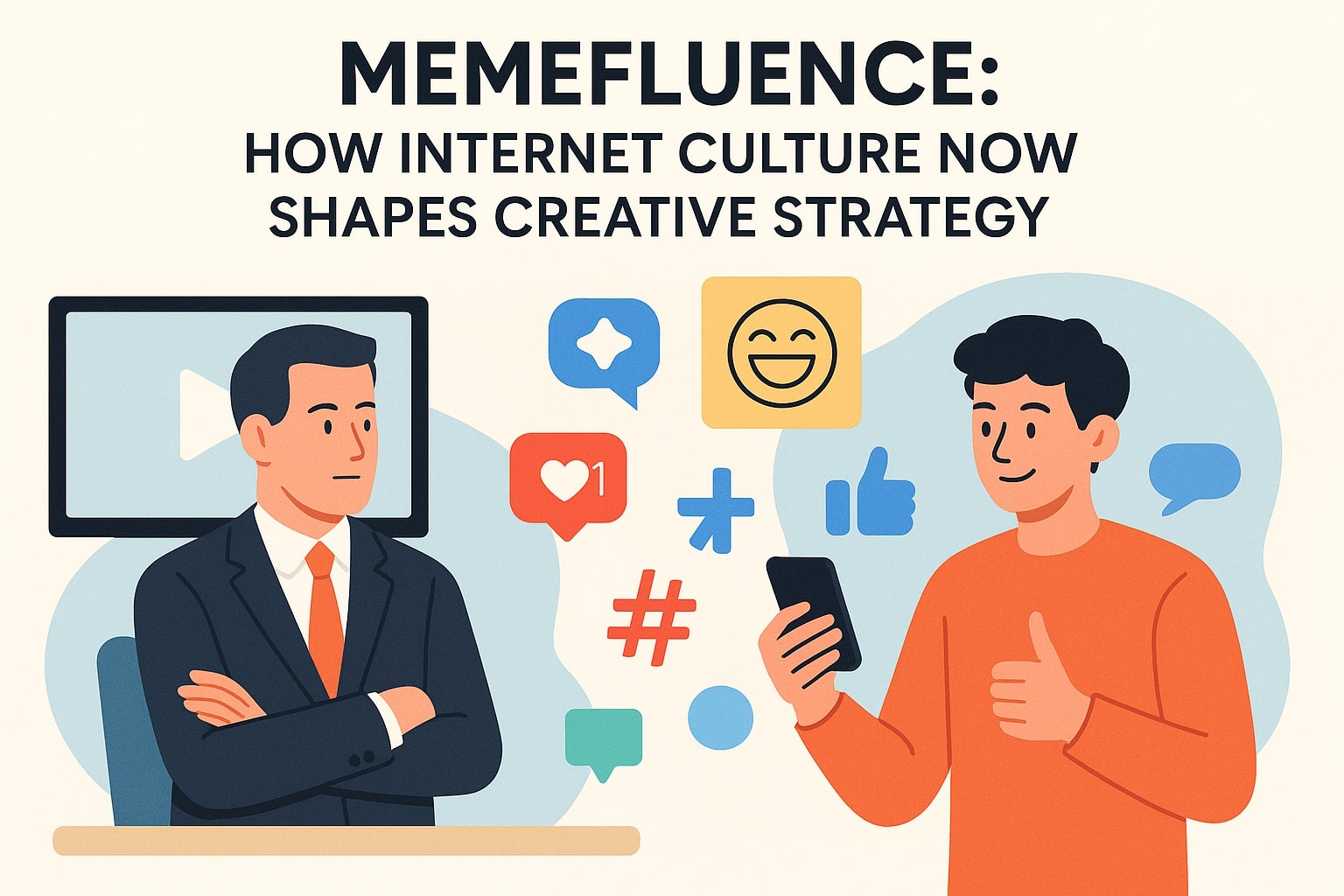
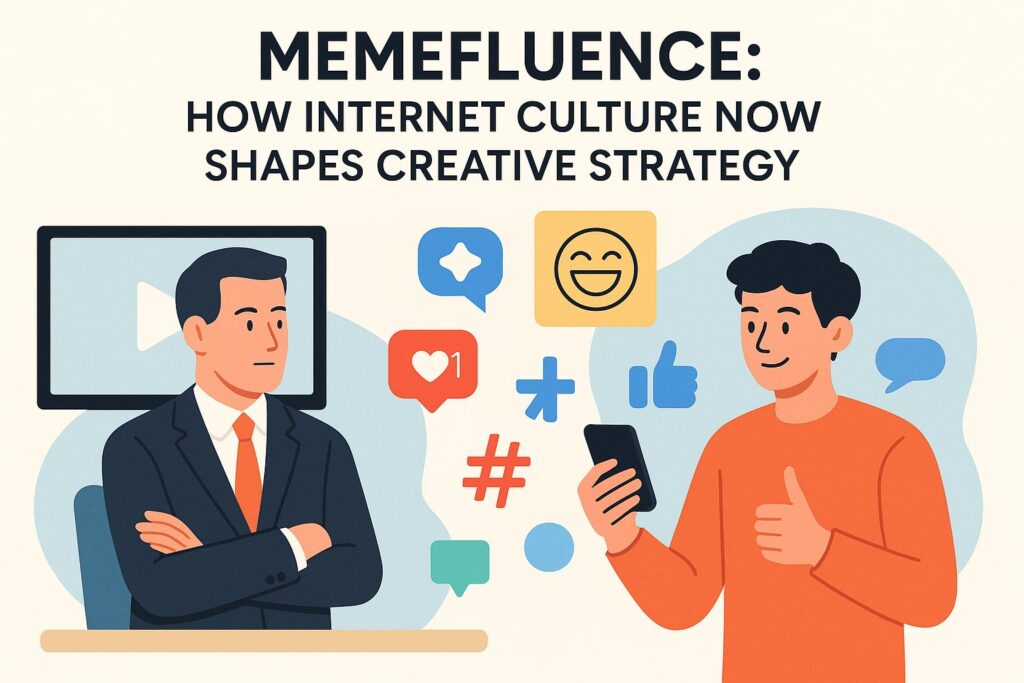
    Meanwhile, a 22-year-old social media admin at a rival startup spends 10 minutes making a meme on Canva about a trending topic. It gets 50,000 shares, reaches millions, and dominates the conversation for 48 hours.

    This is Memefluence and the new power of internet culture in marketing.

    For a long time, traditional agencies dismissed memes as “filler content.” But in 2025, viral creative strategy isn’t just a tactic; it is the primary language of the consumer. If your brand doesn’t speak it, you aren’t just boring, you are functionally illiterate in the modern marketplace.

    The Shift From “Interrupting” Culture to “Becoming” Culture

    Advertising used to be about interruption. You watched a cricket match, and a brand interrupted it to sell you soap.

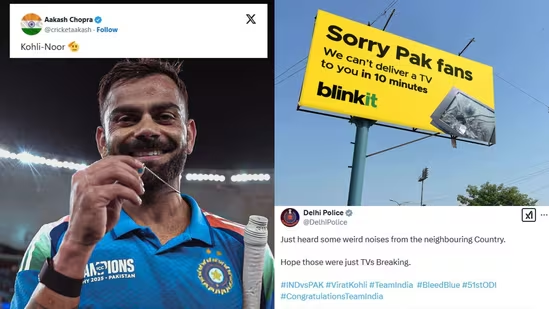
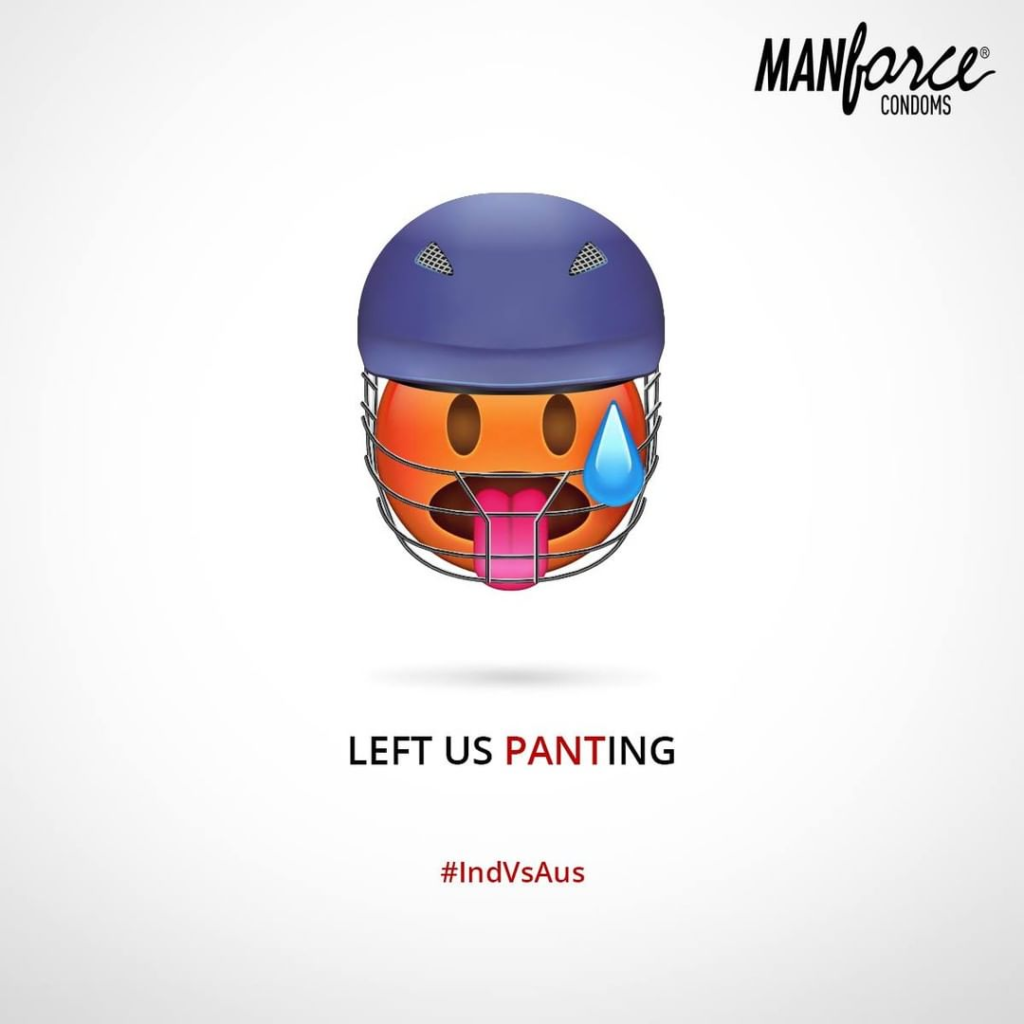
    Today, moment marketing trends thrive because the audience blocks ads, but they share memes. Why? Because memes are “inside jokes” at scale. When a brand successfully participates in a meme, they aren’t selling; they are signaling: “We get it. We are one of you.”

    This shift requires a fundamental change in how we view “Brand Guidelines.” The brands winning today are the ones willing to loosen their tie and play in the chaotic sandbox of the internet.

    The ROI of Relatability: Why Lo-Fi Beats Hi-Fi

    There is a growing demand for “Lo-Fi” content.

    A perfectly lit studio shot feels like a sales pitch. A grainy, zoomed-in screenshot with Impact font feels like a conversation.

    This is the core of a modern meme marketing strategy India.
    Consumers trust content that feels “made by a human,” not “approved by a committee.”

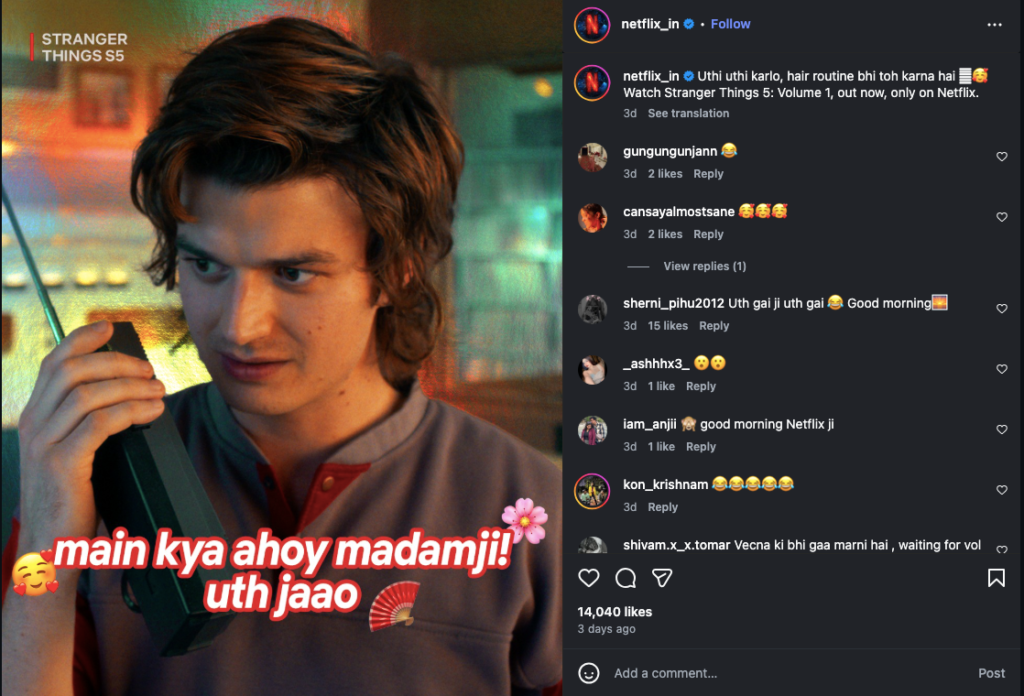
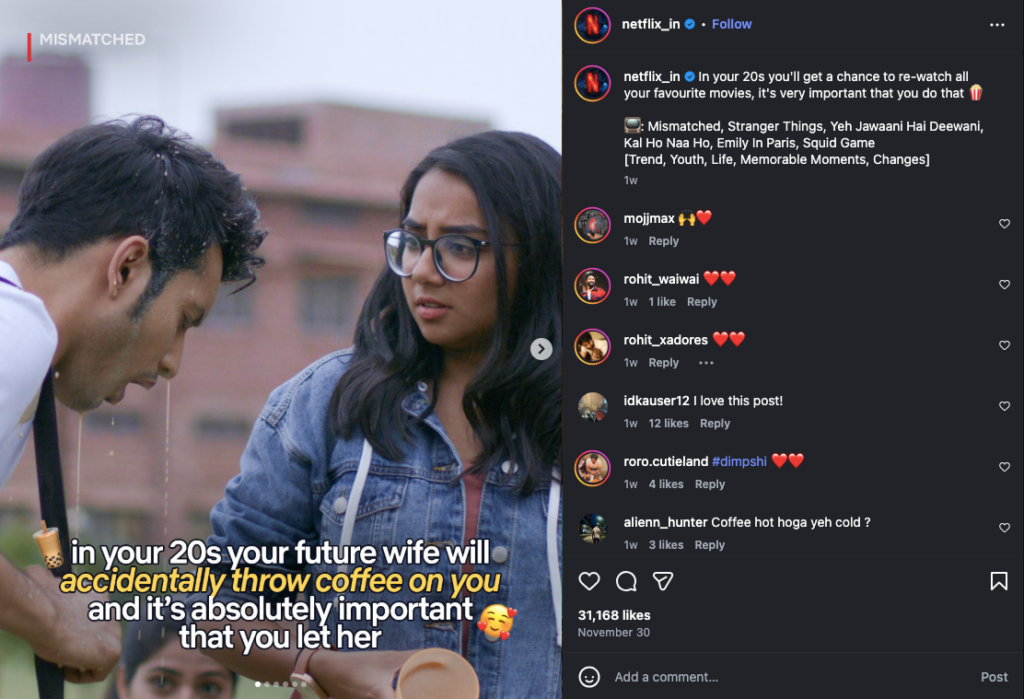
    Netflix India is a master of this. They don’t just post trailers; they post out-of-context screenshots that act as reaction images. They turn their product into a vocabulary.

    By prioritizing brand relevance in pop culture over visual perfection, brands can achieve an ROI that traditional media buying simply cannot match: the cost of entry is zero, but the payoff is cultural dominance.

    The Indian Context: When Bollywood Meets the Algorithm

    India is the meme capital of the world. Our internet culture in marketing is a chaotic, beautiful mix of Bollywood dialogues, cricket heartbreak, and localized slang.

    For a creative agency, this presents a unique challenge. You cannot simply translate a western trend. A “skibidi toilet” reference might fly over the heads of a Tier-2 Indian audience, but a “So beautiful, so elegant, just looking like a wow” reference (even if dated now) instantly bridges the gap.

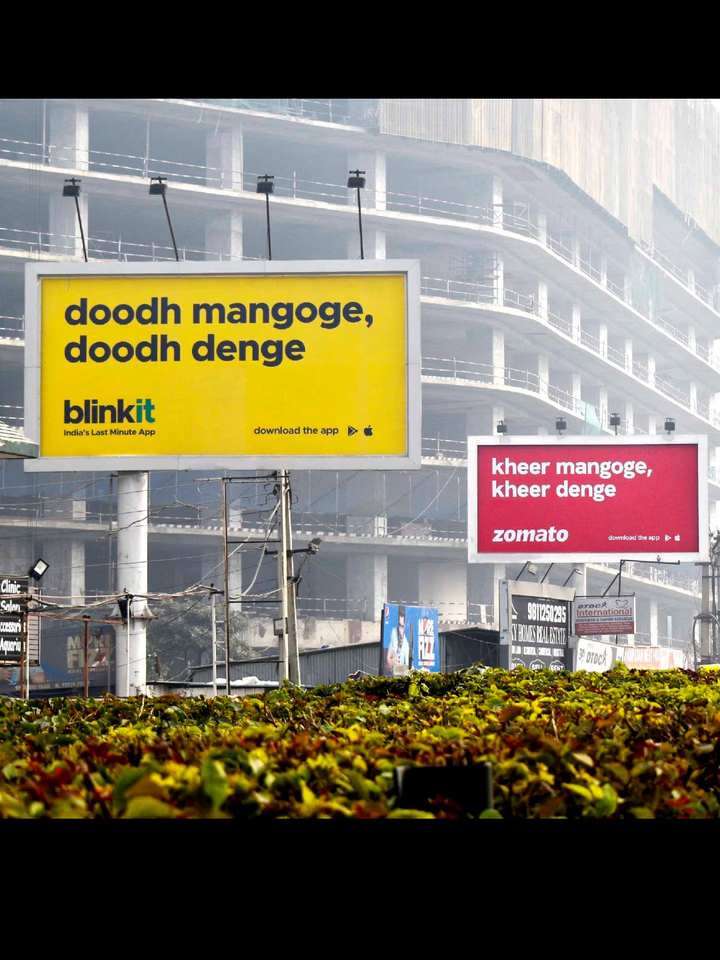
    Moment marketing trends in India move at lightning speed. Remember the Blinkit x Zomato billboard collaboration (“Doodh mangoge…” “Kheer denge”)? It was simple, text-based, and culturally rooted. It went viral not because of the design, but because of the context. It turned a billboard into a meme format that every other brand immediately copied.

    The Rules of Engagement: How to Avoid the “Cringe”

    The danger of meme marketing is the “Steve Buscemi Effect”—the older gentleman trying to dress like a teenager (“How do you do, fellow kids?”).

    To navigate this, we follow three rules:

    Speed is Safety: If you are three days late to a trend, do not post it. An old meme is worse than no meme.

    Respect the Format: Do not force your product where it doesn’t fit. If the meme is about “emotional damage,” don’t try to twist it into selling insurance unless the link is genius.

    Punch Up, Never Down: Internet culture rewards self-deprecation. Duolingo is famous for threatening its users. It works because the brand is the “villain” of the joke, not the user.

    From Factory to Newsroom

    To survive in the meme economy, brands must change their internal wiring.

    Traditional marketing operates like a Factory: linear, slow, and obsessed with perfection. (Brief → Strategy → Copy → Design → Approval → Publish).

    Modern marketing must operate like a Newsroom: fast, reactive, and obsessed with timing.

    You cannot wait for three rounds of legal approval for a moment marketing post. By the time it is approved, the moment is gone. We need to build frameworks that allow for “safe agility” giving creative teams the freedom to react to culture in real-time within pre-agreed boundaries. Perfection is the enemy of relevance.

    Conclusion

    The internet is a party. Most brands stand in the corner handing out business cards. The brands that win are the ones on the dance floor, learning the steps as they go.

    At Narrative, this is exactly how we approach culture-led creative thinking. We help brands stop broadcasting and start participating—by reading the room, reacting in real time, and showing up with ideas that feel native to the internet, not imposed on it.

    Is your brand ready to stop broadcasting and start participating?

  • Culture-First Branding: Why Tone Matters

    Culture-First Branding: Why Tone Matters

    The IndiGo Paradox: Saying “Sorry” Isn’t Enough

    We are currently witnessing a masterclass in how not to handle brand tone with the unfolding IndiGo airlines crisis.

    When hundreds of flights were cancelled and passengers were stranded at airports, the airline issued a full-page “We Are Sorry” advertisement, in the newspaper, the words were correct. But in reality, the apology fell flat. Why?

    Because the tone was wrong. The polished, corporate “broadcast” style of the ad clashed violently with the raw, chaotic emotion of the customers sleeping on airport floors.

    It felt scripted rather than sincere. It proved that in 2025, you cannot copy-paste empathy.

    This is the “Uncanny Valley” of branding: when a brand says the right thing but feels completely disconnected from the human reality of the moment.

    In a digital ecosystem defined by AI-generated noise, authentic brand identity is the only signal that cuts through.

    The Identity Crisis: Voice vs. Tone

    Many marketing leaders confuse “voice” and “tone,” treating them as synonyms. If you want to avoid an IndiGo-style backlash, you must understand the distinction.

    Think of it like two iconic Indian brands:

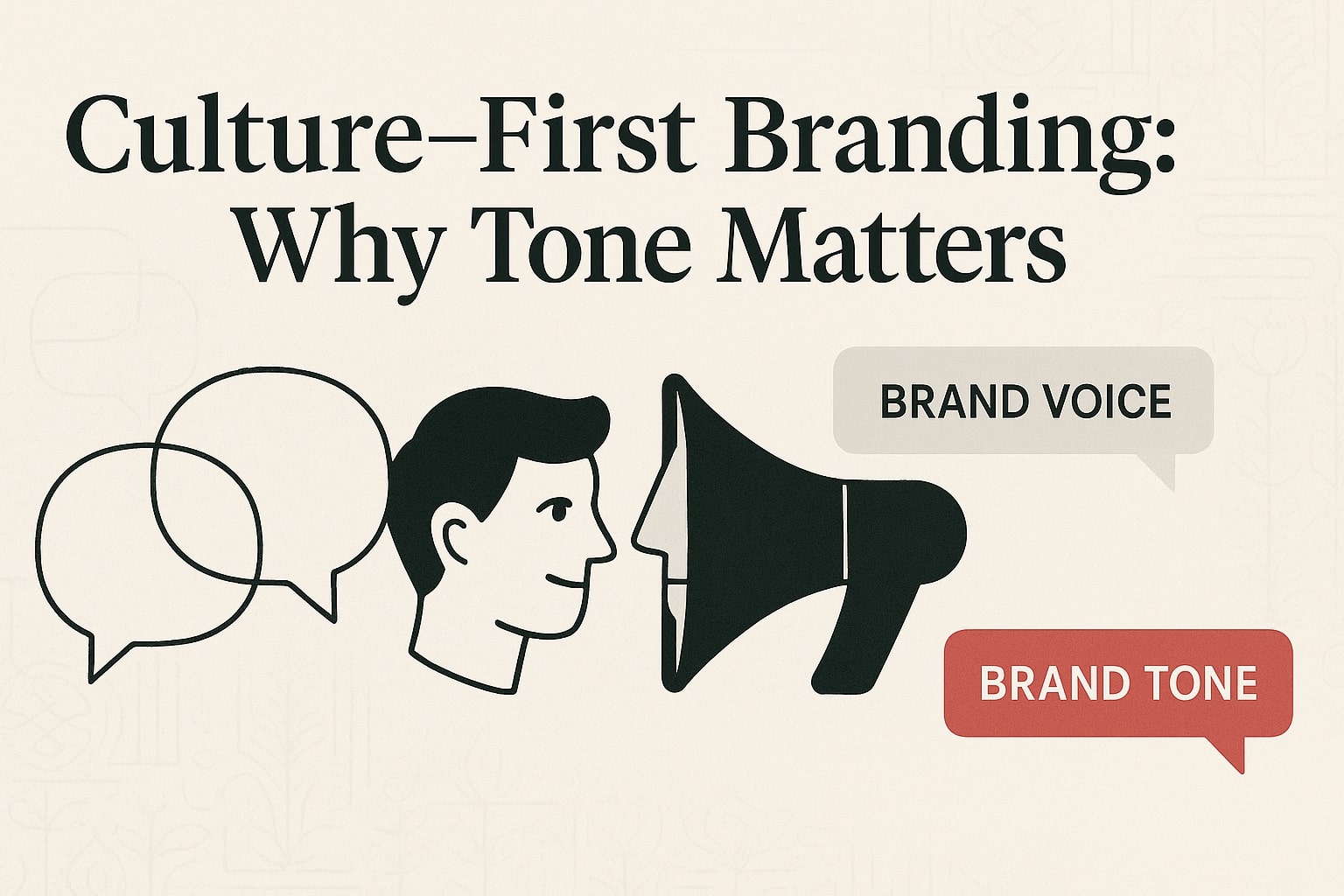
    Brand Voice is your personality. Tata has a voice of “Service and Trust”
    It is steady and unchanging.

    Brand Tone is your mood. It adapts to the situation. Even CRED, known for its witty and sarcastic voice, shifts its tone to be precise and serious when discussing payment security.

    A strong brand voice vs tone strategy ensures that while your core personality remains steady, your delivery flexes to meet the emotional needs of your audience.

    Build a Culture-First Branding Strategy

    Old-school branding was about “positioning.” New-school branding is about “participation.”

    Culture-first branding means stopping the monologue about your product features and entering the dialogue about what your customers actually care about.

    For Example: Look at Zomato.

    They don’t just sell food delivery; they participate in the national mood.
    Whether it’s a notification about “Chai” during a rainy cricket match or a meme about election results, they speak the language of pop culture.
    They have permission to speak because they aren’t just selling to the culture; they are part of it.

    Cultural relevance in marketing isn’t about chasing trends; it’s about aligning your values with the shifting behaviors of society.

    When you speak with culture, rather than at it, you move from being a vendor to being a partner.

    Master the Art of Localized Nuance

    The internet is global, but trust is local. A truly localized branding strategy goes beyond Google Translate. It understands that a “bold” tone in Mumbai might be perceived as aggressive in Lucknow.

    For Example: Spotify India.

    Spotify didn’t just translate their app; they localized their context. Their “Wrapped” campaigns and playlists don’t just say “Bollywood Hits.”

    They use the specific slang of a Delhi college campus (“Vibe Check”) versus the poetic cadence appreciated in Kolkata.

    They understand that India is not one market, but fifty markets stitched together.

    To resonate, you must adapt your idioms, your humor, and your cultural references. You need to speak the language of the street, not just the language of the dictionary.

    Operationalize Your Brand Messaging Framework

    How do you scale authenticity? How do you ensure that your junior copywriter, your customer support agent, and your CEO all sound like the same brand?

    You need a rigorous brand messaging framework.

    For Example: Amul.

    For decades, Amul has maintained a consistent voice as witty, topical, and innocent. Whether it was a billboard in 1985 or an Instagram post in 2025, the voice is identical.

    This is only possible because they have a strict framework that defines exactly how the “Amul Girl” reacts to news.
    Her humour is never at someone’s expense; they are playful, witty, and culturally aware.

    Without this framework, your brand is just a collection of random opinions. With it, your brand tone of voice strategy becomes a scalable asset that builds equity with every interaction.

    Storytelling Is a Behaviour

    We often tell our clients: “People don’t read; they recognize.”

    When a customer sees your email notification, they should know it’s you before they even look at the sender name.

    That recognition comes from a commitment to an authentic brand identity.

    AI can write sentences, but it cannot write culture. It cannot replicate the specific warmth of a founder’s story or the nuanced humor that a specific community enjoys.

    Use AI to structure your thoughts, but use your human teams to infuse the soul. The brands that win in the next era will be the ones that aren’t afraid to sound human—flawed, funny, empathetic, and real.

    Conclusion

    Are you ready to stop shouting and start communicating?

    If you stripped away your logo, your colours, and your fonts, would your customers still recognize you? If the answer is no, it’s time to look at your tone

  • The New Rules of Brand Trust in a Post-AI World

    The New Rules of Brand Trust in a Post-AI World

    We are living through a content explosion. In just the last two years, Generative AI has fundamentally changed the internet. It has lowered the barrier to creation so drastically that the web is now flooded with infinite text, infinite images, and infinite video.

    But in economics, when supply becomes infinite, value creates scarcity. And right now, the scarcest resource on the internet isn’t attention—it is trust.

    For modern businesses, building brand trust in the age of AI is no longer just about having a quality product or a clever logo. It is about proving to your audience that you are, in fact, real. The brands that win in 2025 won’t be the ones using the most advanced algorithms; they will be the ones that effectively bridge the gap between technology and humanity.

    The “Uncanny Valley” of Branding

    Why is trust eroding? It comes down to “AI Fatigue.”

    Consumers are developing a sixth sense for algorithmic content. We’ve all seen it: the LinkedIn post that sounds just a little too corporate, the stock image where the hands look slightly wrong, or the customer service email that loops in circles.

    This creates a branding version of the “Uncanny Valley”—that unsettling feeling you get when something looks human but lacks a soul. When a brand feels like a bot, consumers instinctively pull away. They don’t engage because they don’t believe there is anyone on the other side listening.

    To navigate this landscape, marketing leaders need to tear up the old playbook. Here is your post-AI branding strategy: three new rules to future-proof your reputation.

    Rule #1: Radical Transparency

    The first step to regaining trust is simple: stop pretending.

    There is a temptation to use AI to pretend to be human—to use chatbots that mimic empathy or to use AI avatars as spokespeople.

    This is a dangerous game. If your audience feels tricked, you lose them forever.

    Instead, embrace AI transparency.

    If you are using AI to speed up customer service, say so upfront: “I’m an AI assistant here to help you fast, but I can connect you to a human if you need one.” If you used Midjourney to create a mood board for a campaign, credit the tool.

    Transparency signals confidence. It tells your customer, “We use technology to serve you, not to fool you.” In an era of deepfakes, honesty is
    the ultimate premium product.

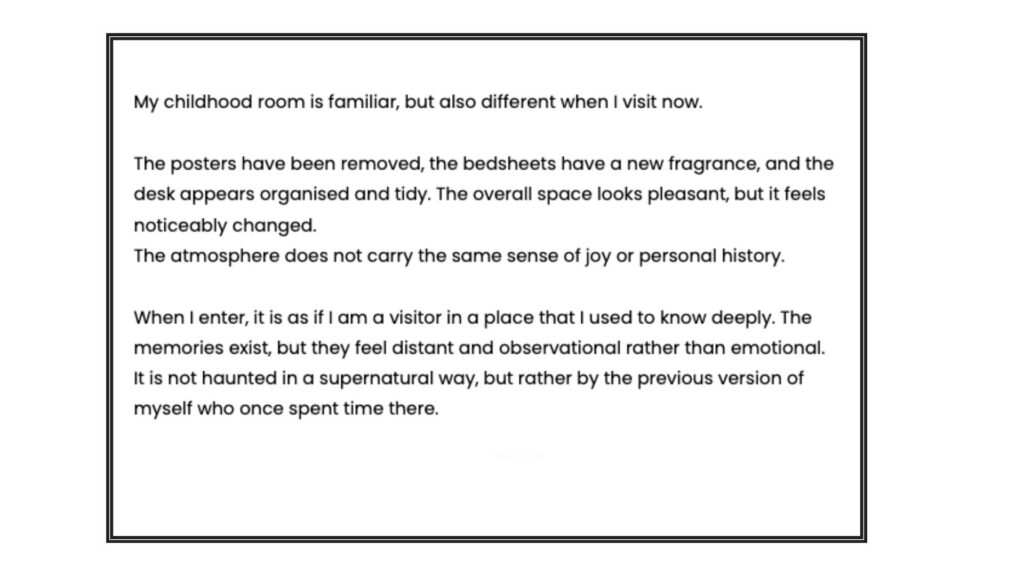
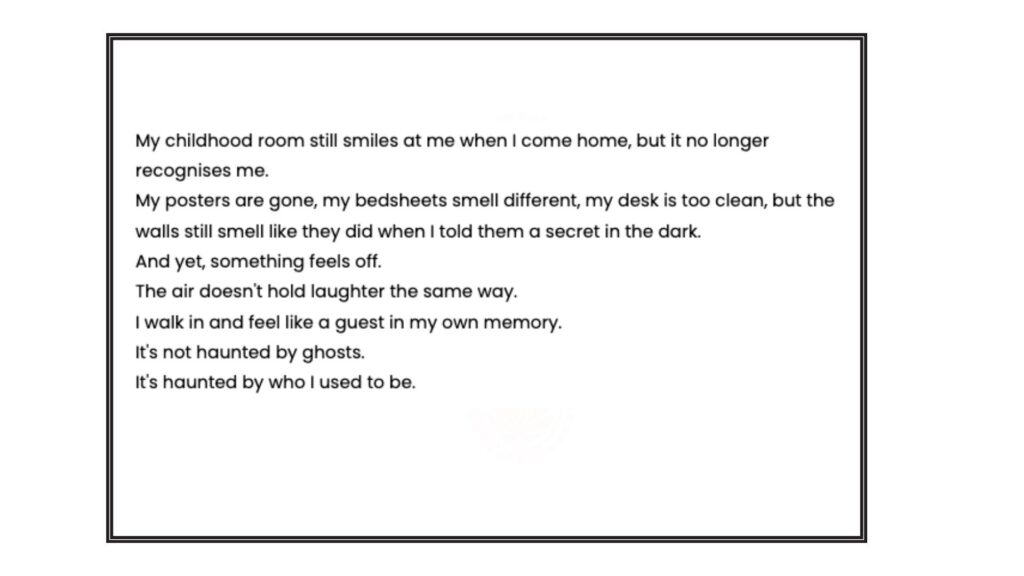
    And here’s a small test. Two versions of the same text, one human-written, one AI-written. Read them side by side and you’ll instantly sense which one feels more real.

    Rule #2: Double Down on the “Unhackable”  

    AI is brilliant at synthesis. It can mimic style, tone, and data. But there are things it simply cannot do. It cannot have a childhood memory. It cannot feel nervous before a big launch. It cannot shake your hand at a conference.

    To stand out, you must invest in a human-centric brand identity. This means doubling down on the “unhackable” attributes of your business:

    Show Your Faces: Stock footage is dead. Use real photos of your team, your office, and your chaotic brainstorming sessions.

    Embrace Imperfection: AI produces polished, error-free mediocrity. Humans are messy. A handheld video shot on an iPhone often outperforms a glossy 4K render because the “shake” proves it’s real.

    Tell Founder Stories: Share the “Why” behind your brand. AI can write a mission statement, but it can’t share the struggle of the late nights that built the company.

    Rule #3: Community Over Content

    For the last decade, marketing was obsessed with “reach”—how many eyeballs can we get? AI can now reach better than any human. It can churn out thousands of SEO articles a day.

    So, stop trying to out-publish the robots. You will lose.Instead, shift your focus to authenticity in marketing.

    Move from “broadcasting” to “conversing.” Build spaces where your customers can talk to each other and to you. Whether it’s a Discord server, a dedicated comment section, or live webinars, the goal is to foster a community that feels distinct and safe. Algorithms change, but community loyalty endures.

    The Narrative Asia Takeaway

    We are not anti-AI. At Narrative Asia, we use these tools every day to be more efficient and creative. But we know the boundary. AI is a tool; it is not a voice.

    The future of branding belongs to those who can use technology to amplify their humanity, not replace it.

    Is your brand ready for the authenticity era? Let’s build your human narrative.

  • What Happens to Your Brain in Dark Mode?

    What Happens to Your Brain in Dark Mode?

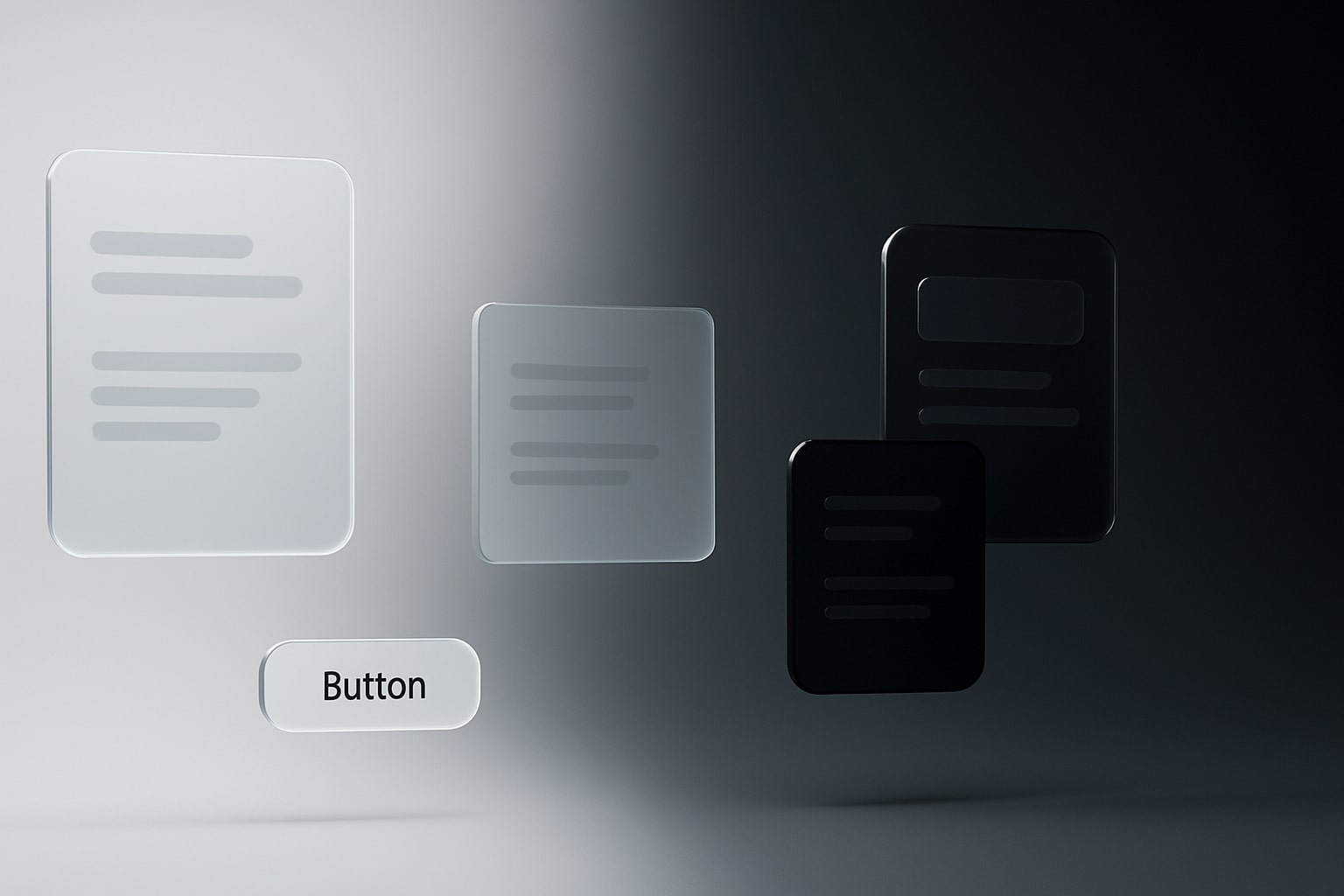
    Most people think dark mode is just a cool design trend. But the truth is much bigger: dark mode changes how we feel, how we focus, and even how likely we are to take action on a website.
    This is why more brands and websites are treating it as a serious part of user-centred design, not just an aesthetic choice.

    Let’s break it down in the simplest way possible.

    Why Dark Mode Exists in the First Place

    We live on screens. And screens are bright,  too bright, sometimes.
    Dark mode was created to solve a basic problem:
    Our eyes get tired when we stare at bright backgrounds for too long, especially in low-light environments.

    Dark mode reduces brightness, reduces blue light, and makes reading easier at night.
    This is why so many apps (Instagram, YouTube, Spotify) pushed dark mode first, the comfort factor was impossible to ignore.Its rise is not a coincidence. It’s science plus user behaviour coming together.

    At Narrative Asia, we’ve seen this shift firsthand. Several websites we designed like Hrdwry and Aurionpro use dark themes to create a calmer, more premium browsing experience. For brands with complex content or tech-heavy environments, dark mode brings clarity, focus, and a surprisingly modern sense of ease.

    The Psychology Behind Dark Mode

    Design affects mood. Colour affects behaviour.
    Dark mode taps into both.

    Here’s what dark backgrounds do psychologically:

    1. Reduce visual stress

    Less glare means more comfort and more comfort means longer browsing time.

    2. Make content feel focused

    Dark mode naturally pushes attention toward the centre of the screen.
    This is why developers, gamers, and readers prefer it, it removes distraction.

    3. Feel more “premium” and “modern”

    Dark colour schemes are often associated with luxury and tech.
    Think of Netflix, Amazon Prime and GitHub.  

    Dark mode signals:
    clean, confident, future-forward.

    4. Match the user’s environment and mood

    People browse differently during the day vs. night.
    Light mode feels energetic.
    Dark mode feels intimate.

    This mood shift plays a huge role in how users experience a website.

    What This Means for User-Centred Website Design

    User-centred design is simple:
    create websites that adapt to what people actually need.

    Dark mode supports that by offering:

    • Better readability at night
    • Less strain for regular readers
    • A quieter, more focused visual experience
    • A sense of control (users choose the mode they prefer)

    When people feel comfortable, they stay longer, read more, and trust a website more.
    Comfort builds loyalty, it’s that simple

    Yes, Dark Mode Can Improve Conversions Too

    Conversions = when users take action.
    Sign up, buy, click, download — anything.

    Dark mode can influence this in three ways:

    1. More time on site

    If the experience feels easier on the eyes, users are less likely to drop off.

    2. Better focus

    Dark backgrounds highlight buttons, text, and important elements more clearly.
    This improves decision-making.

    3. Emotional influence

    Dark themes naturally feel more relaxed and less harsh on the eyes.
    Clear thinking leads to more confident clicks.

    This is why many fintech, productivity, and D2C brands now default to dark mode.

    When Dark Mode Works and When It Doesn’t

    Dark mode is powerful, but not perfect.

    Dark mode works best for:

    • Media platforms
    • Content-heavy websites
    • Tech brands
    • Night-time browsing
    • Apps or dashboards with lots of data

    Dark mode doesn’t work well for:

    • Bright, cheerful, family-friendly brands
    • Sites that rely on strong colour cues

    Dark mode should always be a choice, not a replacement for light mode.

    Best Practices for Dark Mode (Even If You’re Not a Designer)

    If a brand wants to offer dark mode, a few rules matter:

    • Keep text readable (no grey on black)
    • Avoid neon colours that glow too harshly
    • Make buttons and links clear
    • Don’t darken images too much
    • Match the brand’s personality

    The goal is simple:
    make the dark version feel like the same brand, just in a different light.

    Conclusion: Mood-Driven Design Is the Future

    Dark mode isn’t a design trend that will fade.
    It’s part of a bigger shift:
    websites adapting to human mood, comfort, and behaviour.

    People want control, comfort, and choice.
    And when brands recognise that, everything improves-user experience, perception, and sometimes even conversions.The future of website design is not just lighter or darker.
    It’s adaptive, flexible, and built around how people feel when they browse.

  • Adaptive Personalisation: Sites That Redesign Themselves

    Adaptive Personalisation: Sites That Redesign Themselves

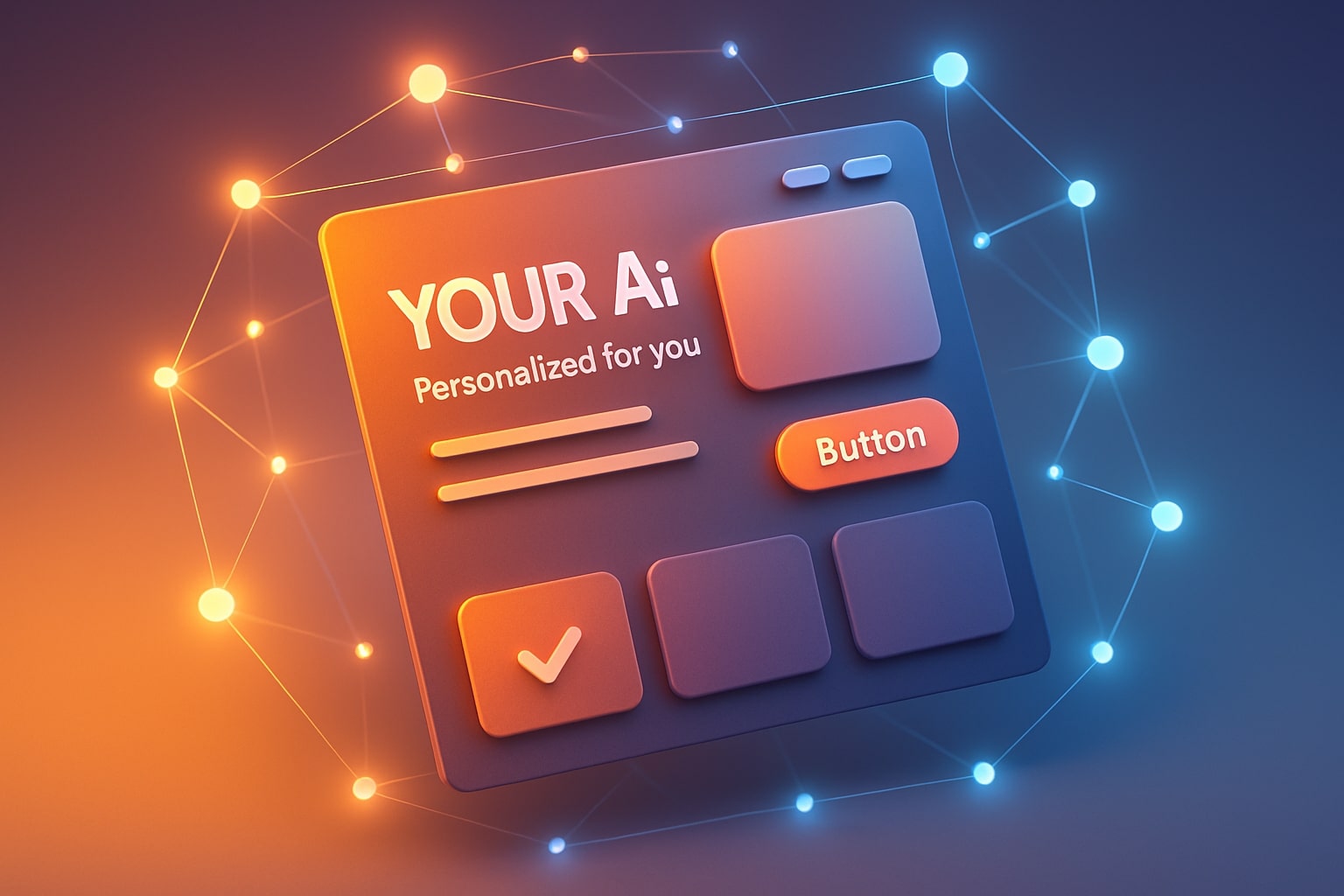
    In 2025, a static website is like showing up to a party in last year’s outfit. The web and the people using it move fast. What separates a forgettable website from one that feels alive? Adaptive personalisation.

    Adaptive personalisation (or real-time website personalisation / AI-driven website design) means a site doesn’t wait for you to tell it who you are, it figures it out and reshapes itself accordingly. Content, layout, entire user flow can shift depending on who’s watching.

    Why Adaptive UX Design Matters

    • Personal relevance drives engagement: People stay longer, click more, convert more when what they see feels made for them.
    • Higher conversion rates & loyalty: The more a site feels “made for me,” the more likely a visitor becomes a recurring user or customer.
    • Efficiency & scale for brands: Instead of building multiple site versions manually, adaptive personalisation scales dynamically across millions of users using AI logic.

    What Adaptive Personalisation Actually Means

    When someone says “dynamic website redesign,” they don’t mean a full rebuild every time, they mean:

    • Content changes based on user profile or previous behaviour
    • Layout tweaks depending on device, location, or user journey stage
    • Recommendations tailored in real time (products, articles, services)
    • UX adjustments, simplified for first-time users, detailed for returning ones

    Under the hood, such sites often use a combination of behavioural data, first-party user data (e.g. region, language, preferences), and AI-driven logic to adapt.

    Real-World Examples That Nail It

    Here are a few examples of brands and services using personalised web experiences and adaptive UX design:

    • Netflix – The recommendation engine on Netflix doesn’t just suggest what to watch. The thumbnails, show order, curated lists, and even artwork sometimes change depending on your watch history, region, and recent activity. It’s website + UX + content adapting for each user.
    • Amazon – From the homepage banners to “Customers who bought this also bought…” sections, Amazon dynamically reorders products, suggestions, and deals based on your browsing/purchase history, locale, and what others similar to you did.
    • Spotify (Web & App) – The “Discover Weekly” / “Daily Mix” algorithm curates playlists personalised to listening history and tastes. On the web interface, even recommended podcasts or playlists adapt based on user data.
    • E-commerce stores using personalization platforms — Many modern stores (especially on platforms like Shopify or Magento) integrate plug-ins or AI tools that show different product recommendations, discount offers, or landing-page layouts based on entry source (search ad, referral, email), geography, or past behaviour.

    These are examples of “real-time website personalisation” and “adaptive website design in action.”

    How Agencies & Brands Can Use Adaptive Personalisation

    If you’re building a brand or a website, thinking adaptive instead of static gives you multiple advantages:

    1. Segment-first design: Instead of one generic UX, define personas — new visitor, returning user, loyal customer, premium client, etc. Then plan which parts of the site adapt for each.
    2. Content fluidity: Use modular content blocks (text, image, CTA, recommendation widgets) that can be swapped in/out depending on user data — easier than redesigning whole pages.
    3. AI-driven recommendation engines & logic: Use tools that analyse user behaviour (pages visited, click patterns, time spent, region) and drive dynamic content & layout changes.
    4. Testing & iteration: Adaptive design demands constant measurement — which variant works better for which segment. A/B testing or multi-variant testing makes more sense than aiming for a “perfect first design.”

    When Adaptive Personalisation Goes Wrong

    It’s not magic — if done poorly, it can backfire:

    • If the personalisation logic is weak or based on inaccurate data, the site can look inconsistent or confusing to users.
    • Too many dynamic changes can make the site feel unpredictable. Some users prefer consistent experience, especially if they return.
    • Privacy concerns: Overpersonalisation without transparency might feel intrusive. Users value clarity about what data is used and why.
    • Technical overhead: Adaptive personalisation requires infrastructure — tracking, data collection, dynamic content blocks, fallback mechanisms. That’s more overhead than a simple static site

    The Takeaway

    Static websites were once enough. Today, in a world of demand for relevance, speed, and individual experience — adaptive personalisation is becoming the new normal.

    Brands that embrace real-time website personalisation, adaptive UX design, and AI-driven dynamic website redesign will stand out not because of a flashy hero banner, but because every user feels like the site was built for them.

    If you’re building a site in 2025, the question shouldn’t be “How can we look good?” but “How can we feel right for each visitor?”

  • Escapism as Marketing is Creating Fantastical Brand Worlds

    Escapism as Marketing is Creating Fantastical Brand Worlds

    In a world overwhelmed by information overload, economic instability, and digital fatigue, consumers are yearning for an escape, a respite from the relentless pace of reality. Enter escapism in marketing: a strategy that transports audiences into immersive, fantastical realms where imagination reigns supreme.

    The Rise of Escapism in Marketing

    Escapism in marketing isn’t just a fleeting trend; it’s a response to the saturation of authenticity and the desire for emotional connection. Brands are moving beyond traditional advertising to create experiences that captivate the senses and emotions of their audience.

    For instance, fashion giants like Valentino and Burberry have embraced surreal elements in their campaigns, crafting dreamlike narratives that resonate deeply with consumers. These brands are not merely selling products; they’re offering a journey into alternate realities that evoke wonder and nostalgia.

    Crafting Fantastical Brand Worlds

    To effectively implement escapism in brand communication strategy, marketers must focus on creating immersive experiences that transport audiences into imaginative worlds. This involves:

    • Immersive Storytelling in Advertising: Developing narratives that captivate the audience’s imagination, allowing them to experience the brand’s message through engaging stories.
    • Experiential Brand Marketing: Creating interactive experiences that allow consumers to engage with the brand in meaningful ways, fostering a deeper emotional connection.
    • Fantasy Brand Storytelling: Incorporating elements of fantasy and surrealism into brand narratives to evoke emotions and create memorable experiences.

    By blending these elements, brands can craft narratives that not only entertain but also forge lasting emotional bonds with their audience.

    The Impact of Escapism on Consumer Behavior

    The effectiveness of escapism in marketing lies in its ability to evoke emotions. According to studies, emotionally immersive experiences can stimulate dopamine production, reduce stress, and enhance memory retention. When consumers are transported into a brand’s fantastical world, they are more likely to remember the brand and feel a stronger connection to it.

    Moreover, escapist marketing allows brands to stand out in a crowded marketplace. By offering unique, imaginative experiences, brands can differentiate themselves and build a loyal customer base.

    Real-World Applications

    Several brands have successfully implemented escapism in their marketing strategies:

    • Calm: During the U.S. election, the mindfulness app bought media time to provide 30 seconds of silence between election coverage, offering a brief escape from the constant news cycle. The 30-second spot featured complete silence, appearing on channels like CNN, ABC News, and Comedy Central. The campaign was praised for its unique approach and humanity during the stressful broadcast,
    • Taco Bell: Taco Bell didn’t just run a campaign; they built a whole alternate reality you could physically step into. The Cantinas, their pop-up “early retirement community,” turned the brand’s Live Más philosophy into a living, breathing world. Guests could “retire” for a day, lounge around, and soak in an exaggerated, sitcom-like version of leisure—all wrapped in Taco Bell’s unmistakably fun, slightly absurd personality. It wasn’t an ad. It was a fantasy escape you could walk into, the brand’s humour, nostalgia, and world-building turned into a real environment that people couldn’t help but share.

    These examples demonstrate how brands can use escapism to create memorable experiences that resonate with their audience

    Conclusion

    Escapism in marketing is more than just a creative strategy; it’s a powerful tool for building emotional connections with consumers. By crafting fantastical brand worlds, marketers can transport audiences into realms of imagination, fostering loyalty and differentiation in an increasingly saturated market.

    As we move forward, the challenge for brands will be to balance creativity with authenticity, ensuring that their escapist narratives align with their core values and resonate with their audience on a deeper level.

  • AI Can Write, But Can It Relate? The Future of Human-Led Campaigns

    AI Can Write, But Can It Relate? The Future of Human-Led Campaigns

    A Tale of Two Campaigns

    Imagine two brand campaigns hitting your inbox in the same week. One is polished, clever, and hits just the right emotional note. The other is fast, factual, and-let’s be honest-kind of forgettable. The difference? One was created by a human, the other by AI.

    AI can write. AI can generate. AI can optimize. But can it relate? Can it capture the little cultural cues, the unspoken human truths, the emotional nuances that make a brand stick? That’s the heart of the debate in the future of human-led campaigns.

    AI in Brand Communication: Helpful, But Can It Connect?

    AI is increasingly shaping the role of AI in brand communication. From generating campaign ideas to analyzing audience sentiment, AI can process data at speeds humans can’t dream of. But here’s the catch: AI can suggest what might work, but it can’t understand what will resonate.

    Strategic brand communication isn’t just about efficiency or optimization; it’s about crafting messages that speak to human emotions, values, and identity. AI can draft a campaign brief in seconds, but can it capture the cultural nuance that makes a brand truly memorable? That’s where human-led creativity still rules.

    Where Creativity Meets Code

    AI in creative campaigns has undeniable power. Tools like ChatGPT, Jasper AI, or DALL·E can generate messaging, visuals, and campaign concepts at scale. Brands experimenting with these tools can save time and gain fresh perspectives.

    But there’s a limit. As noted by M1 Project, AI struggles with subtleties like humor, irony, or empathy, key factors in human creativity in campaigns. It can predict patterns, but it doesn’t feel. It can replicate tone, but it can’t understand the heartbeat of a brand. AI is a brilliant assistant, but humans are the storytellers.

    Humans at the Heart of Storytelling

    Human creativity in campaigns is irreplaceable. Consider Nike’s brand storytelling: the campaigns are not just about shoes, they evoke identity, aspiration, and emotion. This is strategic brand communication at its finest.

    AI can analyse trends, but it can’t sense the cultural undercurrents or anticipate emotional impact the way humans can. Humans vs AI in brand campaigns-is not a zero-sum game.

    Humans bring empathy, context, and cultural awareness. They create narratives that resonate beyond algorithms, create campaigns that stick and move people.

    The Hybrid Approach: Human + AI

    The sweet spot lies in collaboration. Brands can leverage AI to mine insights, draft options, or predict engagement but the core creative strategy remains human-led.

    Take Starbucks or Coca-Cola: AI helps them understand consumer preferences and trends, but the campaigns themselves are curated, nuanced, and shaped by human storytellers. This hybrid approach ensures campaigns are efficient, data-informed, and still emotionally compelling.

    Words That Stick

    AI can generate content. It can analyse data. It can even mimic your brand’s tone. But a campaign that moves people? That sticks in memory, sparks conversation, and builds lasting relationships? That’s still human work.

    The future isn’t about replacing humans, it’s about empowering them with AI. Because at the end of the day, brands don’t just communicate, they connect. And connection? That’s something only humans can truly create.

  • Brand Films for B2B? Why Industrial Giants are Going Cinematic

    Brand Films for B2B? Why Industrial Giants are Going Cinematic

    What’s Changing in B2B Visual Language

    Remember when corporate brand films were mostly stock footage, monotone narrators, and bullet-pointed “features & benefits”? That era is fading. Industrial giants are opting for brand film production that’s cinematic-rich visuals, mood, craftsmanship, letting product speak louder than pitch decks.

    Why Brand Films Matter for Industrial Giants

    Here’s what’s driving the shift:

    • Trust & Perception: A cinematic brand film instantly stakes you as a premium, reliable partner.
    • Emotional Differentiation: Even in heavy-duty industries, buyers are human. Seeing craftsmanship, hearing real material, watching process builds emotional brand connection.
    • Standing Out in B2B Crowdedness: When every competitor is talking specs, being the brand with a story or aesthetic gives recall.

    These are key in b2b video marketing trends: not just rational persuasion, but story, mood and production value.

    Elements of Cinematic Brand Storytelling in B2B Films

    Here’s how these films tend to pull it off:

    • High production value in lighting and sound: ambience, texture, impactful silence.
    • Minimal voice-over, strong visuals and music. Let the product or process “speak”.
    • Narrative arcs: origin stories, process journeys, outcome stories  not just features.

    Great Examples from Real Brands

    • Volvo Trucks — “The Epic Split”: a stunt-driven cinematic demo that shows precision and engineering more than telling.
    • Lenovo – Tech@Heart series: real customers, real challenges, tech used for human outcomes. The film looks and feels cinematic even though it’s B2B.
    • Square – “Corner Store” activation video blending community and product in cinematic storytelling.

    Brand Films by Narrative

    At Narrative, we’ve also worked on creating impactful brand films that tell compelling stories. Here are a few examples:

    Invest Karnataka 2025 – Govt. of Karnataka: A vibrant film that celebrates the state’s culture, heritage, and innovation, created to shine at the Global Investors Meet.

    Gokaldas Exports: A heartwarming look at the incredible women behind the textile industry, capturing their journey from idea to finished garment.To see more of our work and explore how Narrative can bring your brand stories to life, visit Narrative Website.

    Emerging B2B Video Marketing Trends to Watch

    • Interactive elements: letting prospects pick what story path they view in video or case studies.
    • Short cinematic cuts for social formats + longer cinematic cuts for brand & investor decks.
    • Hybrid styles: product film production merging with documentary storytelling.
    • Rising demand for corporate brand films that feel like art pieces.

    How to Plan / Brief a Brand Film for B2B

    To make it work, brief well:

    • Be clear on the feel, not just the message. What mood, what texture, what lighting?
    • Keep messaging honest, avoid tech jargon overload; show rather than tell when possible.
    • Consider versions: long for website/investors, short for social or sales decks.

    The Role of Brand Film Production Going Forward

    To sum up: for industrial giants, corporate brand films and b2b brand films are no longer “nice-to-have”. They’re becoming essential tools in the b2b video marketing trends toolkit. With thoughtful brand film production, cinematic storytelling, and strategic visuals, industrial brands can build credibility, emotional resonance, and differentiation.

  • The Science of Goosebumps: How Brand Films Hack Human Emotion

    The Science of Goosebumps: How Brand Films Hack Human Emotion

    The Goosebump Effect

    Ever watched a brand film that gave you goosebumps? That tingling sensation isn’t just a physical reaction; it’s your brain’s way of signaling a deep emotional connection. According to research from Harvard Business Review, companies that connect with customers’ emotions can see significant increases in customer loyalty and sales.

    The Secret Sauce of Branding (Emotions)

    Emotions play a pivotal role in decision-making. Studies have shown that emotional responses to advertisements can be stronger and more memorable than those based solely on rational arguments. This is why emotionally charged experiences, such as heartwarming stories or funny videos, can leave a lasting impact.

    The Neuroscience Behind Emotional Branding

    When we experience emotions, our brains release chemicals like dopamine and oxytocin, which create feelings of pleasure and reward. This neurochemical response makes emotionally resonant campaigns more likely to be shared, leading to significant organic growth and a positive brand reputation.

    Crafting Brand Films That Elicit Goosebumps

    To create brand films that resonate, focus on:

    • Authenticity: Use real stories and genuine emotions to connect with your audience.
    • Storytelling: Craft narratives that evoke empathy and understanding.
    • Visuals: Utilize compelling visuals that complement the emotional tone of the story.
    • Sound: Incorporate music and sound effects that enhance the emotional impact.

    Examples of Emotional Brand Films

    Nike’s “Dream Crazy”: This film inspired viewers by showcasing athletes who overcame adversity, tapping into emotions of perseverance and determination.

    Dove’s “Real Beauty Sketches”: Dove connected with audiences by highlighting the emotional journey of self-perception and beauty.

    Apple’s “The Underdogs”: Apple’s film resonated with viewers by portraying the challenges and triumphs of a team working together to achieve a goal.

    The Role of Corporate Video Production Services

    Professional brand films require expertise in various areas:

    • Pre-production: Concept development, scripting, and storyboarding.
    • Production: Filming, direction, and cinematography.
    • Post-production: Editing, sound design, and visual effects.

    Engaging corporate video production services ensure that the final product aligns with the brand’s message and resonates with the target audience.

    Creating Films That Resonate

    In the world of branding, creating films that evoke emotional responses can lead to stronger connections with your audience. By understanding the science behind emotions and leveraging professional brand film production services, you can craft narratives that not only tell a story but also inspire action.

    Remember, it’s not just about showcasing a product; it’s about telling a story that your audience can relate to and feel connected with.